Common Lawn Care Mistakes
Top 7 Common Lawn Care Mistakes

Creating a lush, healthy lawn requires more than just occasional mowing and watering. Many homeowners unknowingly commit errors that can lead to long-term damage to their grass. Understanding and avoiding these common lawn care mistakes is crucial for maintaining a vibrant and robust lawn. Here, we delve into the seven most prevalent missteps in lawn care, explaining why they're harmful and how to steer clear of them. We'll also provide insights into lesser-known statistics and facts that can help you nurture your lawn more effectively.
Cutting Grass Too Short: A Shortcut to Lawn Damage
One of the most frequent mistakes is mowing the lawn too short, often called "scalping." While it might seem efficient, cutting grass too short can weaken its root system, making it more susceptible to pests, diseases, and environmental stresses. The general rule is to never remove more than one-third of the grass blade in a single mowing session. According to a Penn State Extension article, mowing at the proper height can encourage deeper root growth and better drought tolerance.
Planting Without Proper Planning: A Recipe for Failure
Many homeowners underestimate the importance of a well-thought-out planting strategy. Proper depth and spacing, along with understanding the specific needs of each plant, are crucial for healthy growth. Soil testing is an essential step that is often overlooked. It determines the pH balance and nutrient levels, guiding you on the best grass types for your lawn. The University of Minnesota Extension recommends soil testing every three to four years to maintain optimal growing conditions.
Overlooking Plant Maturity: Watering Wisely
Differentiating between the water needs of mature plants and young ones is vital. New plants generally require more water and may need different sun exposure than established ones. Overwatering can lead to root rot and fungal growth, while underwatering can stress the plants. The Environmental Protection Agency suggests watering only when the lawn shows signs of needing it, such as when footprints remain visible on the grass.
Misguided Watering and Fertilizing: Timing is Everything
Watering and fertilizing your lawn at the wrong time can be counterproductive. The ideal time for watering is early in the morning to minimize evaporation. Fertilization schedules vary by location and grass type, but generally, it's best to fertilize when the grass is actively growing. The University of California's Integrated Pest Management Program provides a guide on the best practices for watering and fertilizing lawns.
The Underestimated Power of Mulch
Mulch is a multifaceted tool in lawn care that many homeowners ignore. It can help retain soil moisture, suppress weeds, and add nutrients to the soil. A study by the University of Florida IFAS Extension indicates that mulching can reduce the need for fertilizers by up to 33%, highlighting its importance in sustainable lawn care.
Seed vs. Sod: Choosing the Right Method
The decision between seeding and sodding should be based on the specific needs of your lawn rather than the time it takes to establish. Sodding provides immediate ground cover and is excellent for preventing soil erosion, while seeding is more cost-effective for filling in bare patches. The University of California Agriculture & Natural Resources offers resources to help homeowners decide between seeding and sodding based on their lawn's condition.
The Dilemma of Powder Products and "Green" Alternatives
Powder lawn care products may seem economical, but they can easily be blown away before penetrating the soil. Organic or "green" products are more environmentally friendly but may require more frequent applications and longer to see results. The National Pesticide Information Center provides information on the effectiveness and environmental impact of various lawn care products.
By recognizing and avoiding these seven common lawn care mistakes, you can ensure your lawn remains healthy and vibrant. Remember, a little extra care and attention can go a long way in preventing long-term damage to your grass.
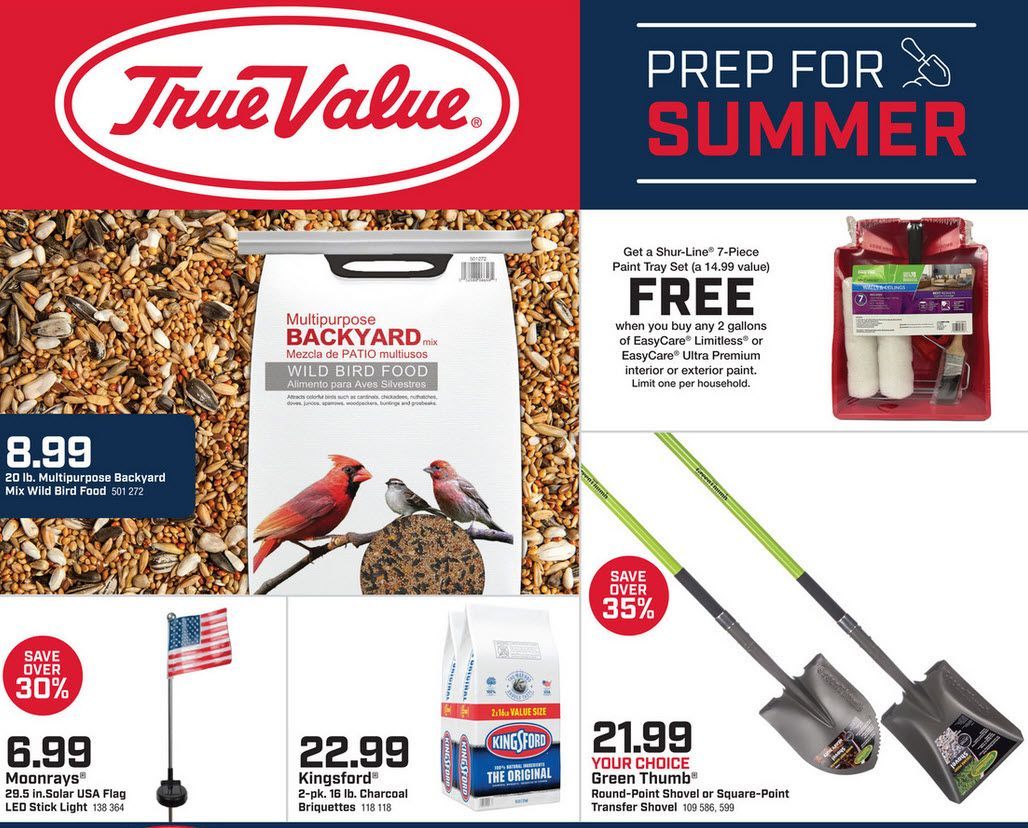
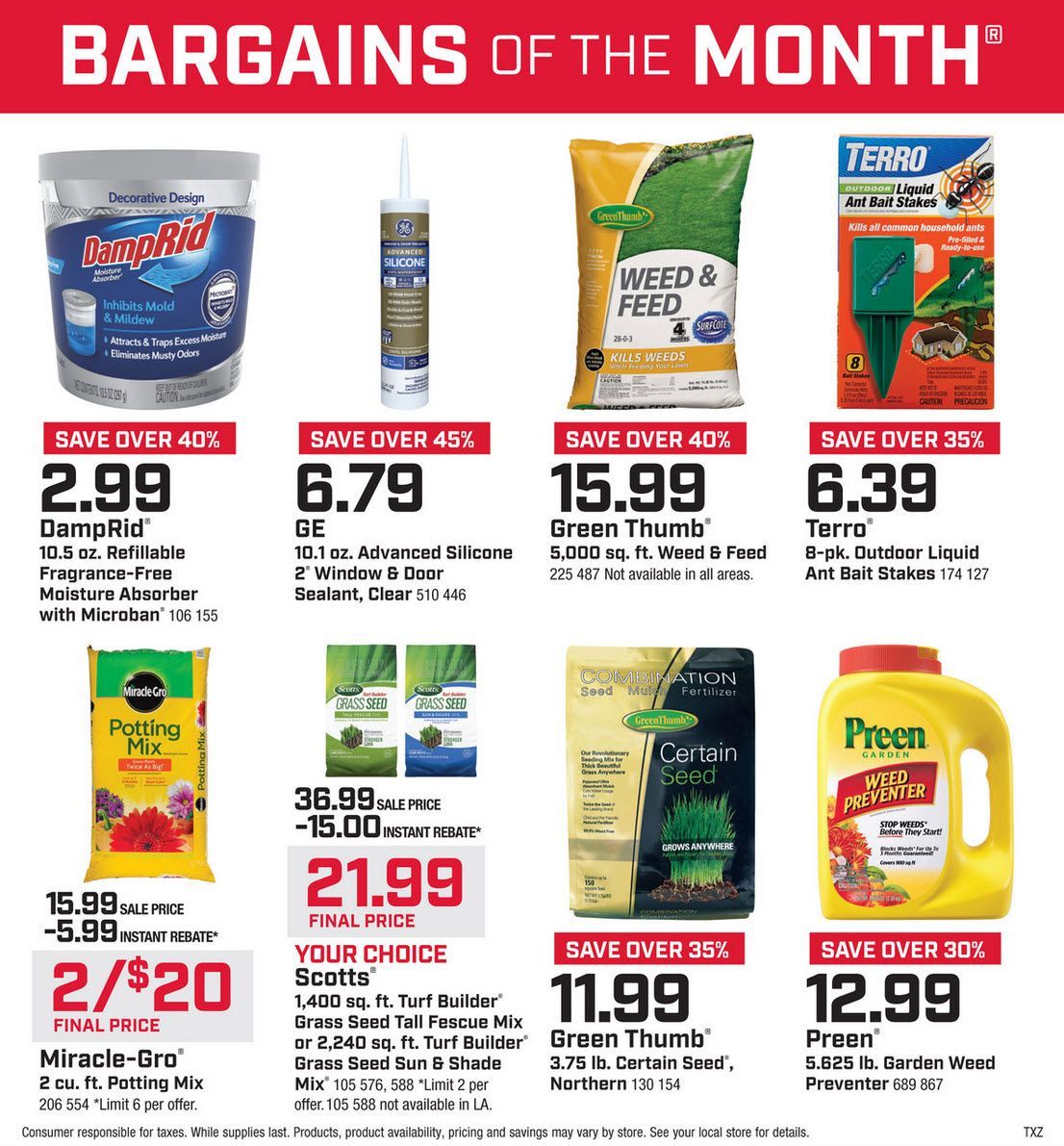
Reedsburg True Value Superstore features a garden department with a huge variety of lawn care products from grass seed to fertilizers and weed control, we have what you need to grow a lush, healthy lawn this season!
Article source: articlefactory.com (by Mary Ann Posuelo).