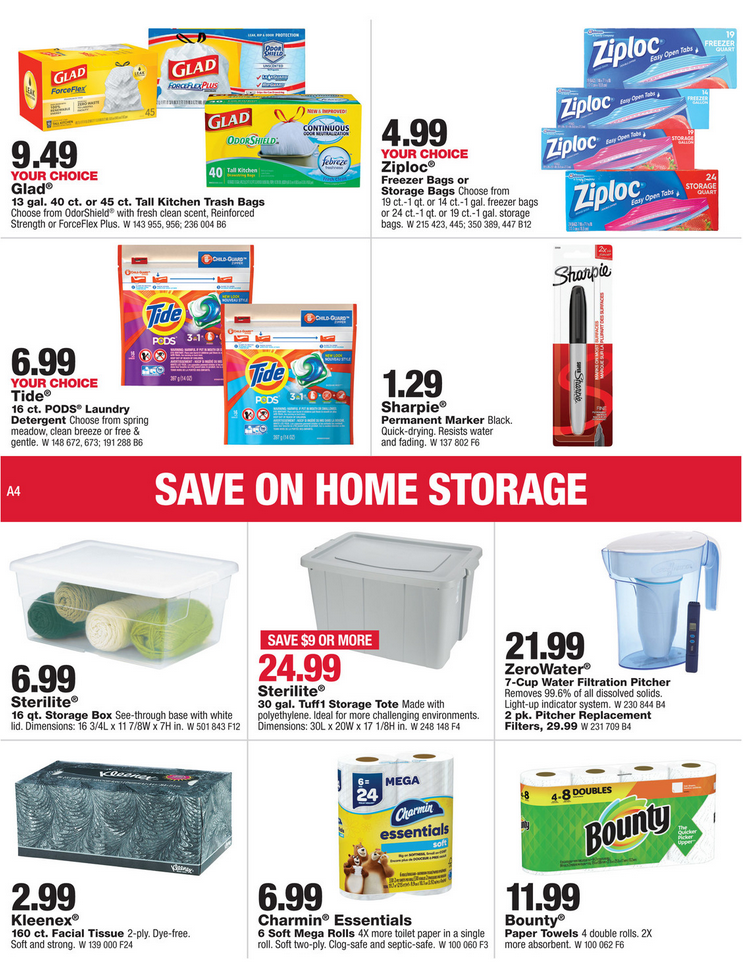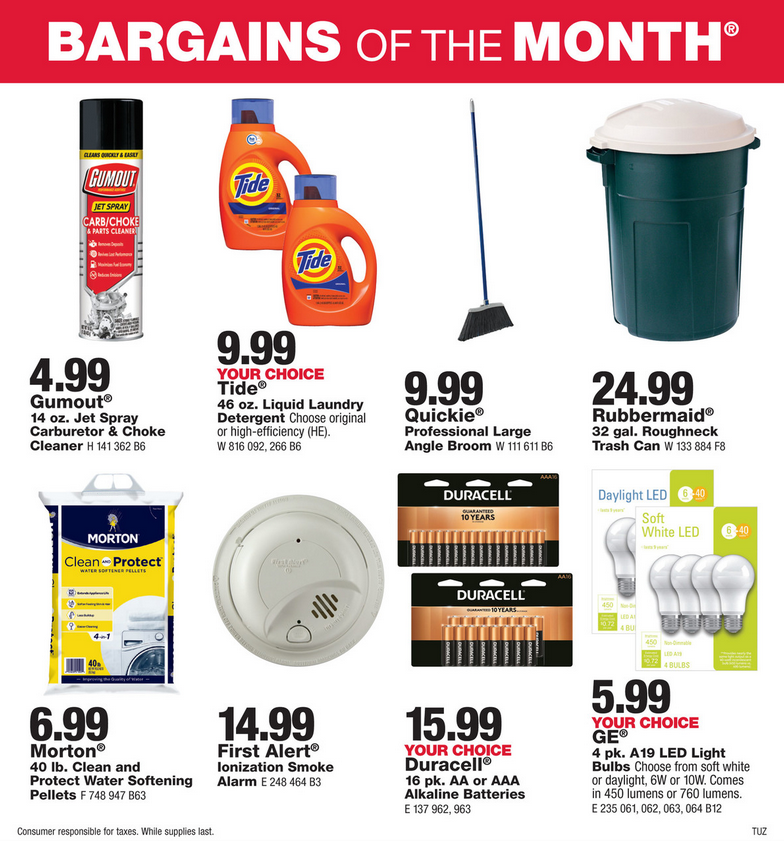
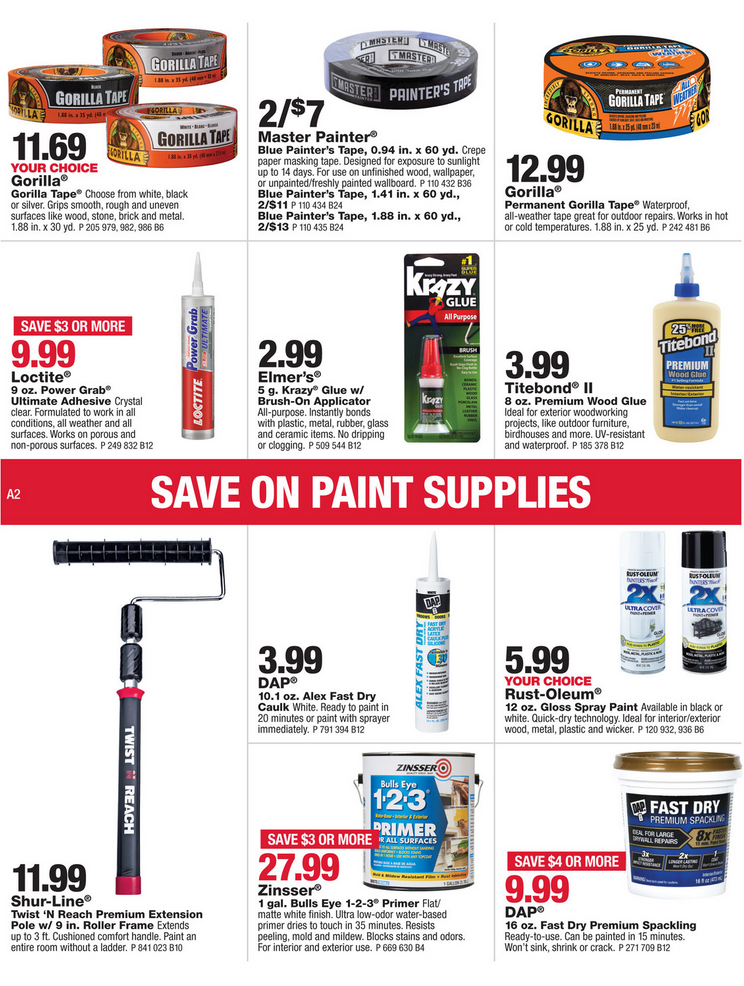
Home Improvement Sale

February 1, 2023

Reedsburg True Value Superstore Home Improvement Sale

Valid 1/30/2023 - 2/26/2023


Get ready for Spring home improvement projects with tools and supplies from Martens True Value, at Great Value Sale prices

home-improvement-sale-1
bargains-of-the-month
By Sue Traeder April 6, 2021
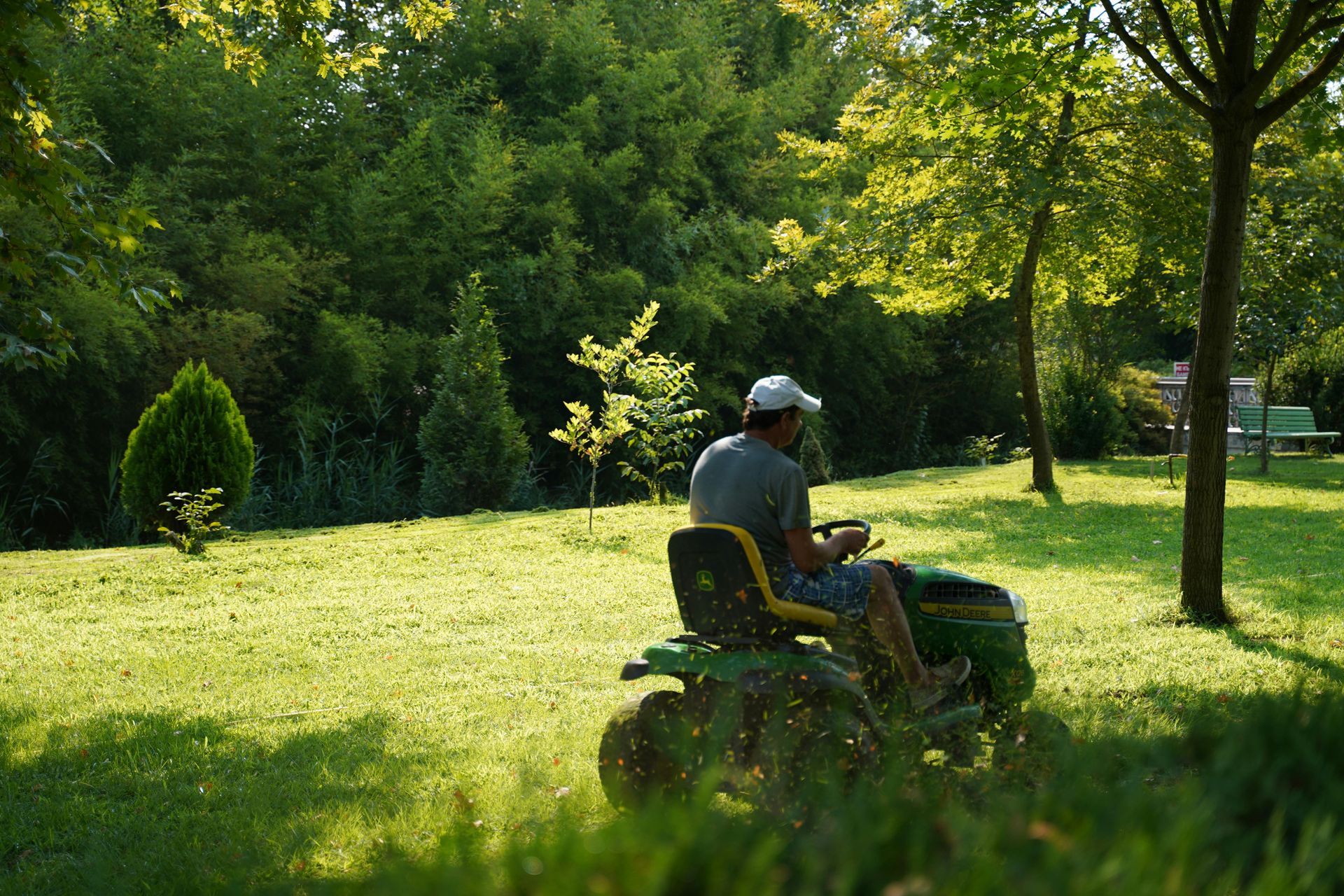
The inclement weather conditions of winter makes a lawn weary. Following a few simple steps will help the lawn recover its lush green coloration and flourish. Raking, repairing damaged areas, renovating the lawn's appearance and correct fertilizer applications restore a lawn to its pre-winter glory. New Lawn Growth During the cold winter months, grass enters a state of dormancy. It will cease growing which makes its general appearance become ragtag. Its lack of growth during the winter also makes it more susceptible to damage from freezing, drainage issues and snow accumulation. In order for the grass to flourish and grow correctly, the winter damage must be fixed. Clear Debris Before undertaking spring lawn care, allow the area to dry out. A wet or soggy lawn can sustain damage when cultivated. The roots will be easily pulled from the soil and the blades bent or broke. Once the lawn has dried out, it should be thoroughly raked to help aerate the soil. Raking will remove accumulated winter debris. It will also open up the soil and the grass blades to create air circulation. Good air circulation around the crown of the plants and each blade of grass will help prevent fungal problems from developing. A basic hard tine rake works adequately to help remove dead grass plants and lawn debris or a lawn vacuum or leaf blower for larger lawns can help with larger lawns. Post-Winter Scarification Moss and thatch buildup can occur from the long winter months. A lawn that suffers excessive thatch or moss buildup will benefit from a scarification treatment. Scarification should never take place if there is still any danger of spring frosts. Consider performing scarification in mid-April or later. If the lawn has excessive moss, use a moss killer two to three weeks before scarification. The lawn should be newly mown and moderately wet to successfully scarify it. Use a hand spring bok rake or a powered scarifier. The goal is to tear up the thatch, dead grass plants and any weeds. The grass will usually suffer extensive visual damage after scarification. If bare patches occur, consider patching the areas by reseeding. Weeds Spring is the ideal time to address pending weed. In regions where crab grass is a problem, apply a pre-emergence crabgrass weed killer to the lawn during the first weeks of April. Avoid using a crabgrass weed killer that contains fertilizers. Fertilizing the lawn too early will cause a weak root system. After applying the pre-emergence weed killer, water the lawn with about 1/2 inch of water. Mowing the lawn to a height of 2 inches will also help control spring weeds. Crabgrass seeds begin to germinate when the soil temperature reaches 60 degrees Fahrenheit so treatment with a pre-emergence weed killer will help prevent the seeds from germinating. Fertilizer Fertilizing in the spring replenishes the grass plant's food supply. The fertilizer will encourage the grass to develop healthy, new growth and a strong root system. An adequate, balanced fertilizer will create a thick lawn that will be able to more easily combat weeds by choking them out. Apply fertilizer when the grass begins to show signs of breaking dormancy. Grass roots will grow when the temperature is between 55 to 65 degrees Fahrenheit. Its top growth will develop when the temperature reaches 60 to 75 degrees Fahrenheit. Never fertilize a lawn too early in the spring because the new growth may suffer damage if a late spring frost should hit. Use a balanced spring lawn fertilizer and avoid high-nitrogen mixes. A high-nitrogen based lawn fertilizer will encourage the lawn to grow and develop a deep green coloration but a shallow root system. The shallow roots will be unable to withstand a summer drought. Apply fertilizer applications to the lawn in mid-May. Use a fertilizer that offers at least 1 pound of nitrogen per 1,000 square feet of lawn space. The fertilizer label will usually have general application guidelines. After applying the fertilizer, be sure to saturate the lawn to prevent the grass blades from sustaining damage from the fertilizer. Nitrogen can burn grass blades. A slow release nitrogen fertilizer has the least chance of accidentally harming the grass. New Season Overseeding If the lawn suffers from bare spots or a patchy appearance it can benefit from spring seeding. Lawn seeds will not germinate until the soil reaches 65 degrees Fahrenheit, so avoid seeding the lawn if it remains too cold. The ideal time to overseed an existing lawn is usually after mid-April. Seed Kentucky bluegrass at a rate of 1.5 pounds per 1,000 square feet, use 3 pounds of fine fescue grass seeds per 1,000 square feet or use 6 pounds of tall fescue per 1,000 feet. Spreading straw mulch across the newly laid seeds will help keep them from blowing away and will also help keep the seeds moist. Regularly water the newly laid seeds and avoid allowing them to dry out. The seeds require even moisture to successfully germinate. Usually one bale of straw per 1,000 feet will adequately protect the seeds. When seeding a lawn in the spring, consider using a starter fertilizer that contains Tupersan to avoid a crabgrass infestation. Look Forward To A Green Lawn All Year With only a bit of spring care, a lawn can look amazing by summer. It will also help prepare the lawn for the following winter by encouraging it to produce a strong, deep root system and store valuable nutrients. Visit Reedsburg True Value Super Store today for all your lawn and garden care supplies! We have what you want to grow a healthy green lawn and beautiful flower garden. . . . . Article Source: http://EzineArticles.com/6880902
By Sue Traeder March 30, 2021
Pruning Trees And Shrubs In The Spring - What You Should Be Pruning And What You Should Not
By Sue Traeder March 24, 2021
There are two types of pressure washers: gas-powered and electric. Gas-powered models are more powerful and mobile because they don’t require an extension cord. Electric models are usually less expensive and easier to carry and have a trigger-activated on/off feature. A machine with a pressure level between 1,300 and 1,600 pounds per square inch (PSI) is good for general cleaning of your home’s exterior surfaces, such as siding, sidewalks, patios and patio furniture. A machine with a pressure level between 1,800 and 3,000 (PSI) is for more serious work like stripping paint or stain off siding and decks. Some jobs could require more power though, so if you're not sure stop in and ask an expert at the Reedsburg True Value for advice, if needed. Get Prepared Assemble washer, if needed, as directed by the manufacturer. Read instructions carefully before operating the washer. Connect it to your water spigot with a garden hose. Be sure that the hose is not kinked and that the connection is tight. Loose connections can be dangerous under pressure. Squeeze the trigger of the washer wand to release any air inside before you turn on the water. For a gas-powered unit, fill the washer’s reservoir with gasoline to the recommended amount. For an electrical washer, connect the unit to power.
By Sue Traeder March 16, 2021
Landscape lighting should be an integral part of any home landscape. Not only does it provide security and safety, it spotlights your landscaping features and complements your home. Common uses include emphasizing landscape formations, shedding light on walkway areas and adding home security. Walk around your yard with a flashlight to visualize how lighting would look in your yard. Determine where lights should be placed and how many you would need. You can light up walkways by placing lights close to each other so that the illumination from each overlaps. Accent lighting near walls or underneath trees can create great highlighting effects. Placing lights in front of trees and other features can create dramatic shadows on fences and walls. To add interest, think about mixing up spacing and patterns. Remember that less is more. Don't add so many lights that they end up competing with each other. Be careful not to choose lighting locations that will get in the way of lawnmowers or foot traffic. Make sure your lighting won't beam directly into your home or, your neighbor's. Try to plan your light installation when you're landscaping your yard. When it comes to planning, it's much easier to do both tasks at the same time. Once you have some ideas, draw a plan. Using a scale of 1/8" for every foot, include the location of your home's exterior outlets, trees, shrubbery, walkways, fountains, deck or patio, as well as any areas you want to light for safety. Don't worry if you're not an artist — even a rough sketch will do the trick. Once you've determined how many light fixtures you need, choose which kind you want. You may prefer unobtrusive outdoor fixtures, or you might have something more decorative in mind. Stop by Martens True Value store in Reedsburg for inspiration and to shop for solar and LED outdoor lighting products. Tier lighting and path lights are good for illuminating walkways. Lantern lights can also be hung along walkways, and can complement porches, patio areas, flower and mulch beds. Well lights and floodlights are great for accent lighting. When possible, use lights with rotating heads. These are very versatile and allow you to create a variety of effects. Motion detectors can be useful in your landscape lighting. Use lights with built-in motion detectors or install independent detectors. Aim motion-detecting lights at your gate, front porch or along walkways which will turn on when someone approaches.
By Reedsburg True Value March 11, 2021
Choosing the best paint colors for your home is enough to make anyone crazy! It's just a simple question. What color should I paint my living room? But then it turns into: How do I use different colors in different rooms and still make it all look good together? How do I know I'll like it when I've finished? How long will I like it? Sheesh!!! There are so many questions and even more options to choose from! All of this can be intimidating so most people just give up and choose a version of white. It is a neutral, but usually it feels a little less than personable, right? Well, I have a few suggestions that should help. We want color! We need color!! Rooms look more inviting because color somehow seems more alive. Zillow posted an article last week that mentioned how homes even sell better when they are painted certain colors. There are lots of choices so we know we can find one that we like, but let's plan it out. First, gather choices. There are several sites that will 'help' you pick a color. They show you how many different choices they have and some of them can even show you what it will look like in your room. This really is super helpful, IF you want to figure out how their program works. You can grab a handful of possibilities at a local hardware store, or you can look through magazines or online and save the colors that you like best. These are just to have something to start with. I'll show you how to narrow it down, don't worry. Second, consider the mood you want in the room. Relaxing? Energizing and uplifting? Socializing? Then, take a second and consider what you will look like when you are in the room. I know, this is just a little bit unconventional. But really, do you ever notice that when you take a selfie, you look better with color in your background? Like the blue sky, or flowers, or a maybe a cool red car. How many of us run around the house, or even outside in the yard to take a quick selfie where the background color of a tree or the sky makes us look better than the boring white bathroom wall? That's because we want to feel and look our best, even in our home. When we feel we are at our best we are happier and recharge from the world much more quickly. Fourth, figure out which colors complement you personally. Some people look great in shades of blue, and others look best in shades of orange. It only takes a couple of minutes to find out which color looks best on you. Some Steps to Help Choose the Best Colors Step 1 - Figure out which skin tone and hair color you have and then get suggestions of colors that will look best with your particular skin tone. Yes, like cosmetically. These tips will give us a nice variety of colors that we can use as a palette to choose from. Having this first palette is a great start because it really narrows down the choices. Step 2 - Now that we know which colors make us look our best, we need to consider the purpose of the room we are painting. This is similar, but slightly different from the mood of the room. Which room is it, and how do we want to feel when we are in it? It would be wise to also consider the colors that are already in the furniture upholstery and artwork. We can match those to the nearest shade in our new palette. Coordinating colors always look 'put together', like we know exactly what we are doing. Once you know the main colors that make you look best, and match with upholstery or curtains that you like, Adobe has a cool Color Wheel tool. You can take your colors to the wheel and plug them in one at a time and it will show you which colors will complement or coordinate with the one you have chosen. On my website I have explained in a little more detail about color theory and how it subtly affects our moods. When you have your color choices narrowed down to 3 or 4, you can take them to one of those websites that let you load photos of your room and then test the color out in pictures. http://www.decorate-and-design.com This will make it much more easy to decide which color to use. . . . Article Source: http://EzineArticles.com/9875458